
Professional vs At-Home Teeth Whitening in 2026
April 8, 2026
Do Porcelain Veneers Damage Teeth?
July 12, 2026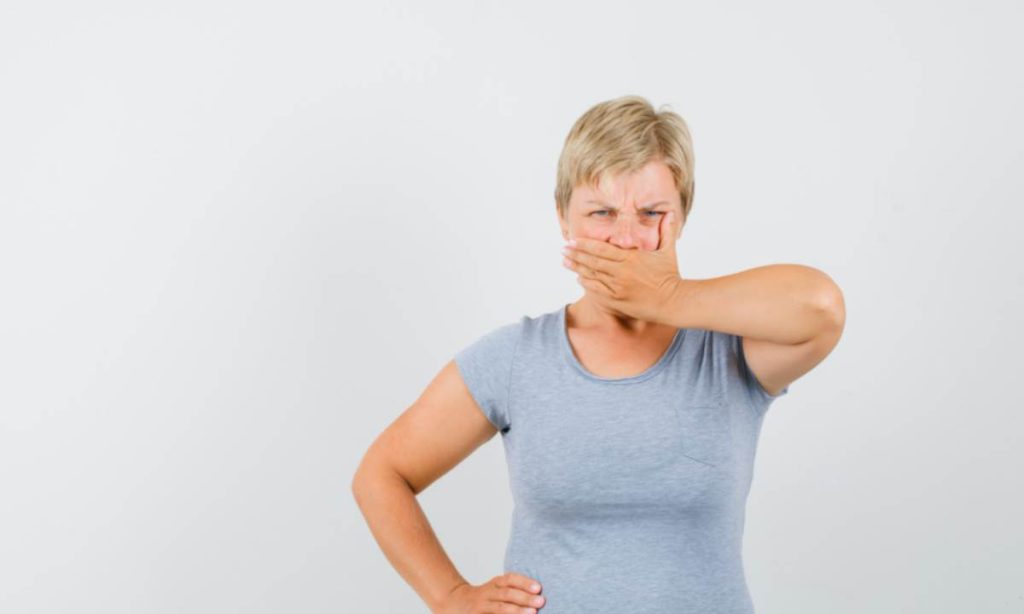
A constant dry feeling in the mouth can make simple things feel hard. Eating dry foods can be uncomfortable. Talking for a long time may feel tiring. Some people even wake up at night because their mouth feels sticky. This problem is called dry mouth in older adults, and it often gets worse with age.
Many older adults notice changes in their saliva, taste, and comfort. This can lead to bad breath, more cavities, and sore gums. The good news is that dry mouth in seniors can be managed with the right care and small daily changes.
Join Atrium Dental in Ahwatukee, Phoenix, AZ (rated 4.8 stars on Google) to fully understand what is happening and what can help.
What is Dry Mouth?
Dry mouth in older adults happens when the body does not make enough saliva. Saliva may not seem important, but it plays a big role in your health. It keeps your mouth moist, helps break down food, and protects your teeth from bacteria. When saliva levels drop, your mouth loses its natural protection. Food and bacteria stay longer on your teeth and gums.
Impact of Dry Mouth on Oral Health
Low saliva can cause many problems:
- Teeth can decay faster because there is less protection.
- Gums may become red, sore, or infected.
- Bad breath becomes more noticeable.
- Dentures may feel loose or uncomfortable.
- Mouth sores and cracks can appear more often.
Over time, untreated dry mouth can lead to serious dental issues.
Causes of Dry Mouth in Older Adults
There are many reasons why dry mouth in the elderly happens:
- Medications such as blood pressure drugs, antidepressants, and allergy pills
- Not drinking enough water during the day
- Health conditions like diabetes
- Cancer treatments such as radiation therapy
- Damage to nerves that control saliva
- Smoking or alcohol use
- Problems with salivary glands
- Poor diet or lack of proper nutrients
Symptoms of Dry Mouth in Older Adults
Symptoms in the mouth:
- Dry or sticky feeling all day
- Cracked lips or dry corners of the mouth
- Thick or stringy saliva
- Trouble chewing or swallowing food
- Burning or tingling feeling in the mouth
- Bad breath that does not go away
- More cavities than usual
Related symptoms in the rest of your body:
- Dry throat
- Hoarse voice
- Trouble speaking clearly
- Feeling thirsty often
- Changes in how food tastes
Learn more about our teeth straightening services with Invisalign in Ahwatukee, Phoenix.
Diagnosis of Dry Mouth in the Elderly
To understand dry mouth in older adults, a dentist or doctor will first ask about your daily habits and health history. They will want to know what medications you take and when the dryness started. Next, they will check your mouth. They look at your gums, teeth, tongue, and how much saliva is present. A dry or sticky surface is often easy to notice.
Sometimes, more tests are needed. These may include measuring how much saliva your body produces or checking for health problems like diabetes or autoimmune conditions. Finding the real cause is the key to treating dry mouth the right way.
Options for Dry Mouth Elderly Treatment
There are many ways to manage dry mouth in older adults. Treatment depends on what is causing the problem.
Drink More Water
Drinking small sips of water during the day helps keep your mouth moist and comfortable. Try to drink regularly, not just when you feel thirsty. For example, keeping a water bottle nearby or sipping water after every meal can help reduce dry mouth in the elderly.
Use Artificial Saliva
Artificial saliva products help replace natural moisture in your mouth. These include sprays, gels, and mouth rinses. For example, products like Biotène or other saliva substitutes can coat your mouth and give temporary relief, especially before sleep.
Use Prescription Treatments
In more serious cases, doctors may prescribe medications that help increase saliva production. For example, drugs like pilocarpine or cevimeline are sometimes used to treat dry mouth in older adults by stimulating the salivary glands.
Change Medications
Some medicines can lower saliva production, such as blood pressure drugs, antidepressants, antihistamines, and pain medications. A doctor or dentist may adjust the dose or switch to a different medicine if possible.
Stimulate Natural Saliva
You can help your body make more saliva by chewing sugar-free gum or using lozenges. Look for products with xylitol, which also helps prevent cavities. For example, chewing gum after meals can support saliva flow and improve comfort.
Improve Oral Hygiene
Keep your mouth clean, especially when dealing with dry mouth in older adults. Brush twice a day using fluoride toothpaste and also floss daily. Using alcohol free mouthwash can help avoid more dryness. For example, fluoride treatments can protect your teeth from decay caused by low saliva.
Avoid Things That Make It Worse
Some habits can make dryness worse. Try to limit caffeine, alcohol, and smoking. For example, coffee, soda, and wine can dry out your mouth, and tobacco can reduce saliva even more.
When to See a Professional
You should visit an Ahwatukee dentist if you see these signs. They may mean the problem needs medical attention:
- Constant dryness that does not improve
- Pain when eating or speaking
- Trouble swallowing food
- Frequent cavities or gum problems
- Sores or cracks in the mouth
- Bad breath that stays even after brushing
Treat Your Dry Mouth Today in Ahwatukee, Phoenix, AZ
Dry mouth in older adults can affect how you eat, speak, and sleep. It can also lead to cavities, gum problems, and ongoing discomfort if it is not treated. The good news is that simple changes, the right products, and professional care can make a big difference. With proper guidance, you can reduce dryness, improve comfort, and keep your teeth and gums healthy.
At Atrium Dental in Ahwatukee, AZ, we take the time to understand what is causing your symptoms and create a treatment plan that works for you. Dr. Foroughi (DDS, USC Magna Cum Laude, UCSF graduate) has advanced training in complex dental care and focuses on long-term solutions, not just quick fixes.
Call (480) 940-4321 or visit us at 4425 E. Agave Rd. #130, Phoenix, AZ 85044 to book your visit today.
FAQs
What is a common cause of dry mouth in seniors?
Medications are the most common and normal cause of dry mouth in older adults.
What deficiency causes dry mouth?
Not drinking enough fluids is a common reason, along with poor nutrition.
What are the most common medications that cause dry mouth?
Blood pressure medicines, antidepressants, and allergy medications often cause it.
Do electrolytes help with dry mouth?
They can help if dehydration is the cause, but they are not a full solution.
What is a dry mouth a sign of?
It can be linked to medications, diabetes, or salivary gland problems.
Is dry mouth a part of aging?
No. It is common, but it is usually caused by other factors, not aging itself.