Are Most Mouth Lesions Benign?
October 25, 2023
Which Dental Implant Is Safer?
November 1, 2023Updated: 05/28/2026
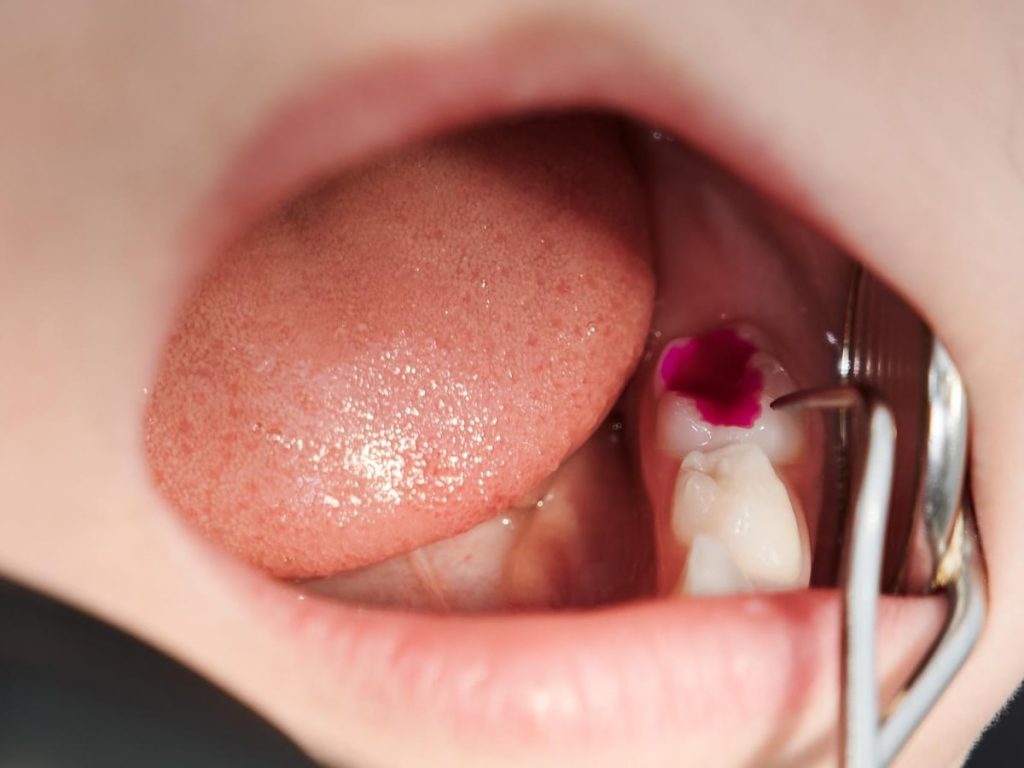
Your oral health matters, and timely treatment protects your smile from future pain. A dentist usually needs one to two hours to repair three cavities in a single visit. This duration depends on the size of the decay and the materials that your dentist uses for the repair. In this guide, Atrium Dental explains how long it takes to fill 3 cavities to help you plan your schedule with ease.
Table of Contents
ToggleHow Long Does an Appointment for 3 Cavities Usually Take?
A typical appointment to fill 3 cavities lasts between 60 and 120 minutes. This period covers the full dental procedure. The duration changes based on the level of decay, the location of each tooth, and the complexity of the restoration. Here, we explain how long it takes to fill 3 cavities based on these specific conditions.
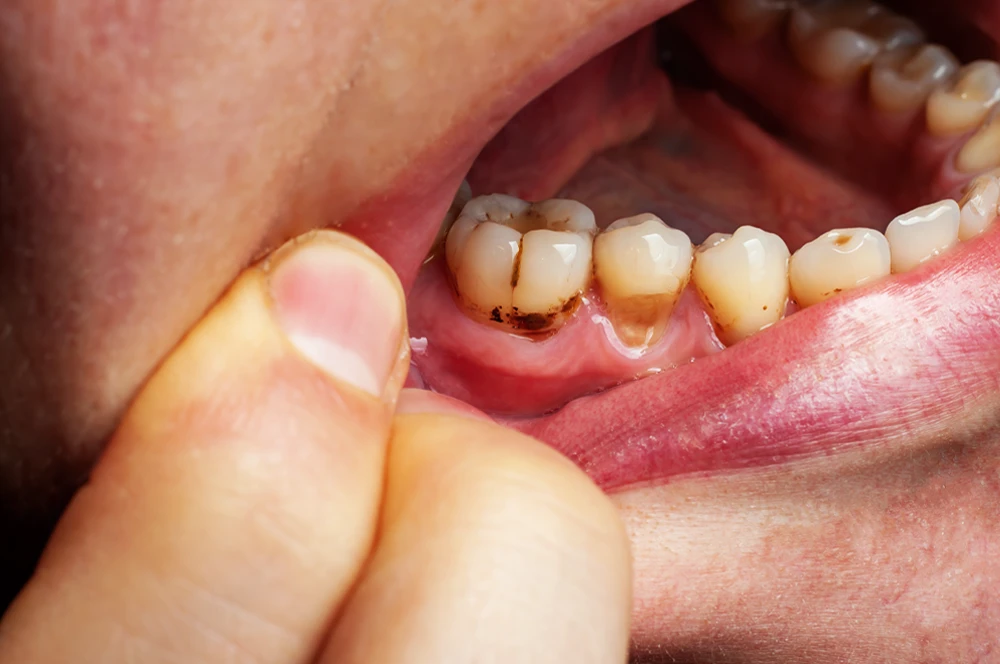
Minor Surface Decay
The procedure for minor surface decay takes approximately 60 minutes. Because the decay remains in the outer enamel, the treatment requires minimal preparation. This allows for a swift and efficient restorative process.
Moderate Decay
These procedures require a 90-minute appointment. When decay extends into the dentin layer, comprehensive cleaning is necessary. Dentists utilize precise removal techniques to ensure all damage is cleared while maintaining the structural integrity of the tooth.
Deep or Complex Decay
These procedures require 120 minutes. The dentist needs extra time for decay in difficult areas, such as between teeth or near the gum line. This ensures they fully remove the decay and place the restoration with maximum precision.
Factors That Determine Your Appointment Duration
Appointment length depends on specific tooth needs. Each procedure follows a custom plan for the best result. Here are the factors that change time in the chair:
Factor | Impact on Time |
Size and Depth | Larger, deeper cavities require more time to remove all infected material and prepare a solid foundation. |
Location | Chewing surfaces of molars provide quick access; interdental or front-tooth cavities require more time for precise work. |
Filling Material | Different materials, such as composite resin versus amalgam, require specific curing processes that affect the total duration. |
Dentist Technique | Every dentist follows a specific workflow to balance efficient speed with clinical precision and patient comfort. |
What to Expect During Your Multi-Cavity Filling Appointment
Three cavities need a clear plan for comfort and precision. The dental team values patient time and provides excellent care for every smile. A look at the process helps patients feel ready for the visit. Here are the steps for the multi-cavity restoration:
- An experienced dental expert examines the teeth and takes digital X-rays to locate each cavity, which helps plan the most effective approach for the treatment.
- The dentist applies local anesthesia to ensure comfort during the procedure, and waits shortly to allow the numbing medicine to take full effect in the gums.
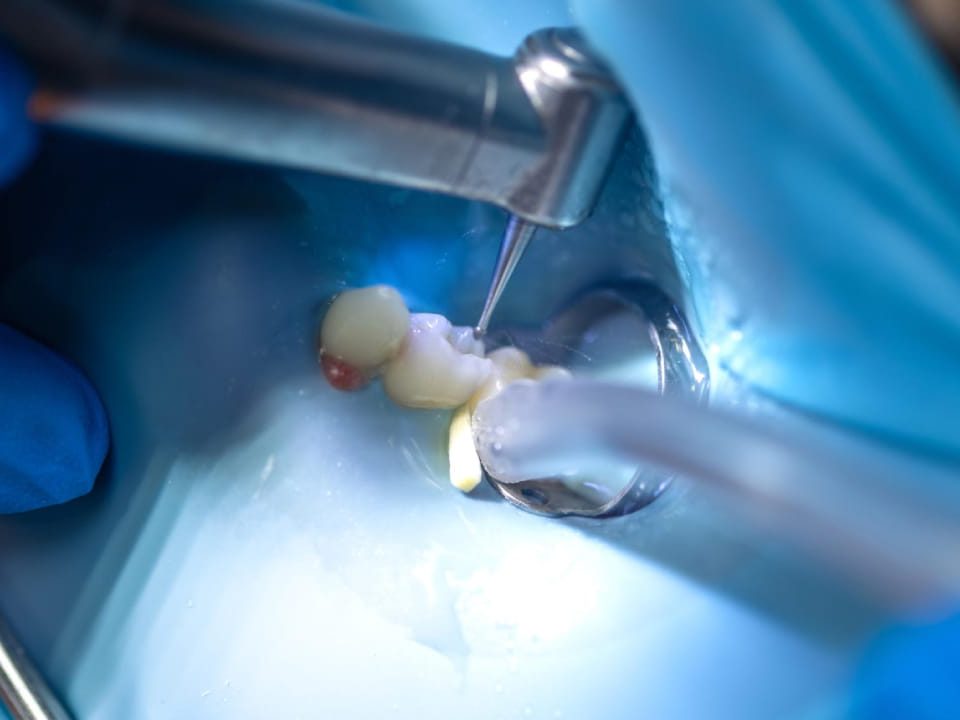
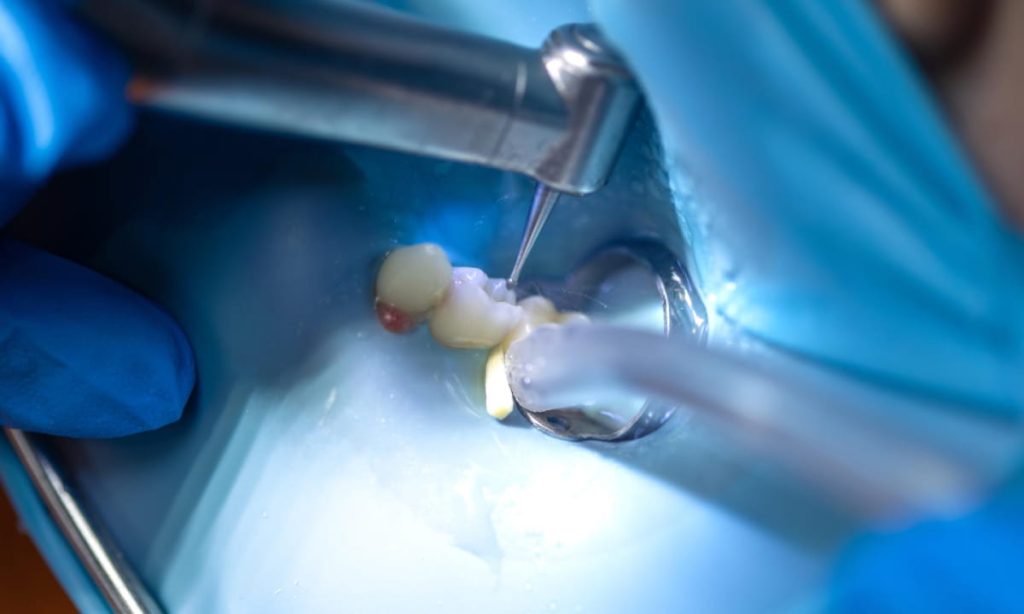
- The dentist removes all decay from each tooth, and cleans every area to prepare a healthy surface for the filling material.
- The dentist places the composite resin into the prepared spaces, and this material matches the tooth color to restore the natural bite.
- The dentist uses a specialized light to harden the filling material instantly, and polishes the surface to ensure the restoration feels smooth.
- The dentist checks the bite for balance and comfort, and the patient receives simple care instructions before the departure from the office.


Benefits of Filling Multiple Cavities in One Visit
Treating multiple cavities at once saves time and effort. Most people prefer to finish all dental work in a single session. This approach reduces both total office visits and discomfort. Here are the benefits of fixing multiple cavities during one appointment:
- Reduce the total number of trips to the office
- Receive local anesthesia one time instead of many
- Lower stress by finishing all work at once
- Speed up recovery with one healing period
- Improve efficiency by consolidating care into one session
Is Getting 3 Cavities Filled Painful?
With modern local anesthesia, the procedure is typically painless. You may feel slight pressure or the vibration of the dental tools, but the area will be completely numb. Afterward, you might experience mild sensitivity for a few days, which is normal and typically manageable with over-the-counter care recommended by your dentist.
Recovery & Post-Filling Care
Proper care helps the mouth heal quickly after a dental filling. These habits prevent irritation and ensure the new restoration stays strong. Follow these steps to recover comfortably:
- Wait until the anesthesia wears off before you eat
- Avoid hot or cold foods while your mouth remains numb
- Eat soft foods for the first twenty-four hours
- Chew on the opposite side of the mouth from the new filling
- Brush and floss gently around the treated area
- Call Atrium Dental at (480) 940-4321 if you notice high spots or feel pain when you bite down
Final Thoughts
Filling three cavities usually takes between 60–120 minutes, but the dentist determines the exact duration based on the depth of the decay and the specific location of each tooth. You can consolidate all necessary work into one appointment, which helps you avoid extra trips to the office and limits your use of anesthesia to a single session. This approach makes your recovery process much faster and successfully restores your full dental health in just one visit.
At Atrium Dental, Dr. Foroughi, D.D.S. provides expert, compassionate care backed by over 300 five-star reviews to ensure your procedure is as comfortable as possible. To schedule your visit and experience our high-quality restorative care, call us today at (480) 940-4321.
FAQs
Which Cavities Hurt the Most?
Cavities near the gumline or in the spaces between teeth tend to be more painful than those located in other places.
Can You Eat After Filling 3 Cavities?
After getting 3 cavities filled at once, it’s generally recommended to wait until the local anesthesia has worn off completely before eating.
How long does it take to fill a small cavity?
Filling a small cavity generally takes between 20 and 30 minutes, as the procedure involves limited preparation and a straightforward restoration process.
How long does it take to fill 5 or more cavities?
Filling 5 or more cavities typically requires 1.5 to 2.5 hours, depending on the severity of the decay.
Is 3 fillings a lot?
Not at all. It is common for dentists to address multiple small cavities during a single preventative care visit.