
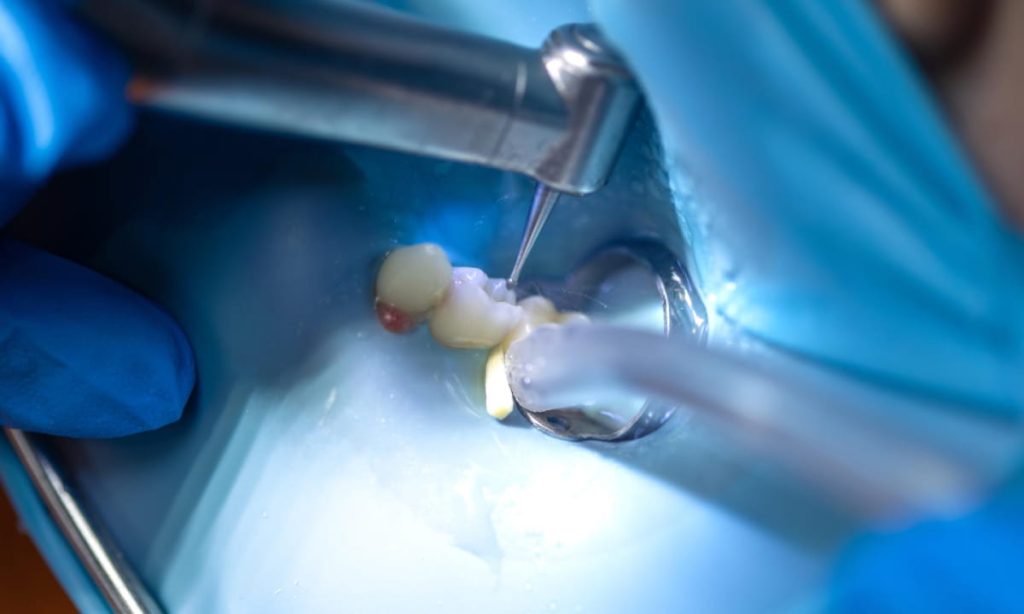
Tooth extraction can cause bone loss in the jaw. This happens because the bone no longer gets stimulation from the tooth root. A bone graft after tooth extraction helps preserve the bone and supports future dental work like implants. So, is it always necessary? No, but in many cases, it is strongly recommended to protect your oral health.
At Atrium Dental in Ahwatukee, AZ (⭐ 4.8 Google rating), we often advise patients to consider this step to prevent long-term issues. If you want to learn when and why it matters, keep reading.
Why is Bone Grafting Necessary After Tooth Extraction?
When a tooth is removed, your jawbone can start to grow smaller and shrink because it is no longer being used. This can begin within a few weeks. A bone grafting procedure helps slow down or stop this bone loss. It’s simple! Your dentist places bone material into the empty space left by a removed tooth. This helps your body build new bones and keeps your jaw strong.
Is it always needed? No. But in many cases, dentists recommend it to protect your jaw and keep your options open for future treatments like dental implants.
Why is a bone graft after tooth extraction recommended?
- Prevents jawbone shrinkage
- Keeps facial structure stable
- Prepares the site for dental implants
- Improves gum and bone healing
- Reduces future dental complications
When is it recommended?
- After removing a damaged or infected tooth
- When planning a dental implant
- If bone loss has already started
- For the front teeth to maintain their appearance
Benefits of Bone Graft after Tooth Extraction
- It helps preserve and maintain the natural shape of your jaw.
- It supports future dental implants in Ahwatukee, AZ, by keeping enough bone in place.
- It prevents and stops nearby teeth from shifting out of position.
- It improves your long-term oral health.
- It helps maintain your natural facial symmetry.
- It enhances healing after a tooth extraction.
What Happens If I Don’t Get a Bone Graft after Tooth Extraction?
Skipping a bone graft after tooth extraction can lead to several problems over time. After a tooth is removed, the bone in that area no longer has support and can begin to shrink. This bone loss can happen faster than many people expect. As the bone gets smaller, it can change the shape of your face and make future dental treatments more difficult.
You may also face:
- Difficulty placing dental implants later due to not enough bone support
- Shifting of nearby teeth into the empty space
- Bite problems that can affect and influence how you chew and speak
- A much higher risk of gum disease due to changes in tooth alignment
- A sunken or aged facial appearance caused by bone loss in the jaw
How Long Can You Wait to Get a Bone Graft after Tooth Extraction?
| Immediate (same day) | Best option to prevent bone loss |
| Within 1–2 weeks | Still effective for socket preservation |
| 1–3 months later | Possible but may need more graft material |
| 3–6 months later | Bone loss increases; more complex graft needed |
| After 6 months | Advanced bone grafting or sinus lift may be required |
How Much is a Bone Graft after Tooth Extraction?
The cost of a bone graft in Ahwatukee, Phoenix, AZ usually ranges from $300 to $3,000 per site. But it depends on the type of graft and case complexity. Simple socket preservation is on the lower end, while advanced grafting procedures cost more.
Prices can vary based on materials, imaging, and surgical needs. For accurate pricing, it’s best to consult directly with Dr. Foroughi at Atrium Dental. A personalized exam will give you a clear estimate.
What Happens During the Procedure
A bone graft after tooth extraction is a safe and routine procedure.
- The area is numbed with local anesthesia.
- The tooth is carefully removed.
- The socket is cleaned and disinfected.
- The bone grafting material is placed and put into the socket.
- A membrane may be added to protect the graft.
- The site is closed with stitches.
Potential Risks and Complications
A bone graft is generally safe, but some risks exist:
- Mild swelling or discomfort
- Infection at the site
- Graft failure (rare)
- Delayed healing
- Minor bleeding
Following aftercare instructions of your Ahwatukee dentist helps reduce these risks.
Tooth Extraction and Bone Graft Healing Process
| First 1–2 days | A blood clot forms. Mild swelling and discomfort are normal. |
| First week | Swelling reduces, and the gums begin to heal. |
| 2–4 weeks | Gum tissue continues to close, and the area feels better. |
| 1–3 months | New bone starts forming around the graft material. |
| 3–6 months | The bone becomes strong and ready for treatments like implants. |
Final Thoughts
A bone graft after tooth extraction is not always required, but it is often the best choice to protect your jawbone and future dental health. It can prevent costly and complex treatments later.
At Atrium Dental in Ahwatukee, Phoenix, AZ, we care for your smile with skill and urgency. Dr. Foroughi (D.D.S., USC graduate, Magna Cum Laude in Biological Sciences) and our team are here to guide you every step of the way, from early advice to complete treatment.
We’re ready to help you protect your long-term oral health. Call us at (480) 940-4321 or visit us at 4425 E. Agave Rd. #130, Phoenix, AZ 85044 to book your appointment today!
FAQs
Does everyone need a bone graft after tooth extraction??
No. It depends on your bone condition and future treatment plans.
Is a bone graft necessary after wisdom tooth extraction?
Not always. It is usually not needed unless there is bone loss or future implant plans.
Do I need a bone graft if I’m not getting an implant?
Sometimes yes. It helps preserve bone and prevent changes in your facial structure.