
Updated: 04/26/2026
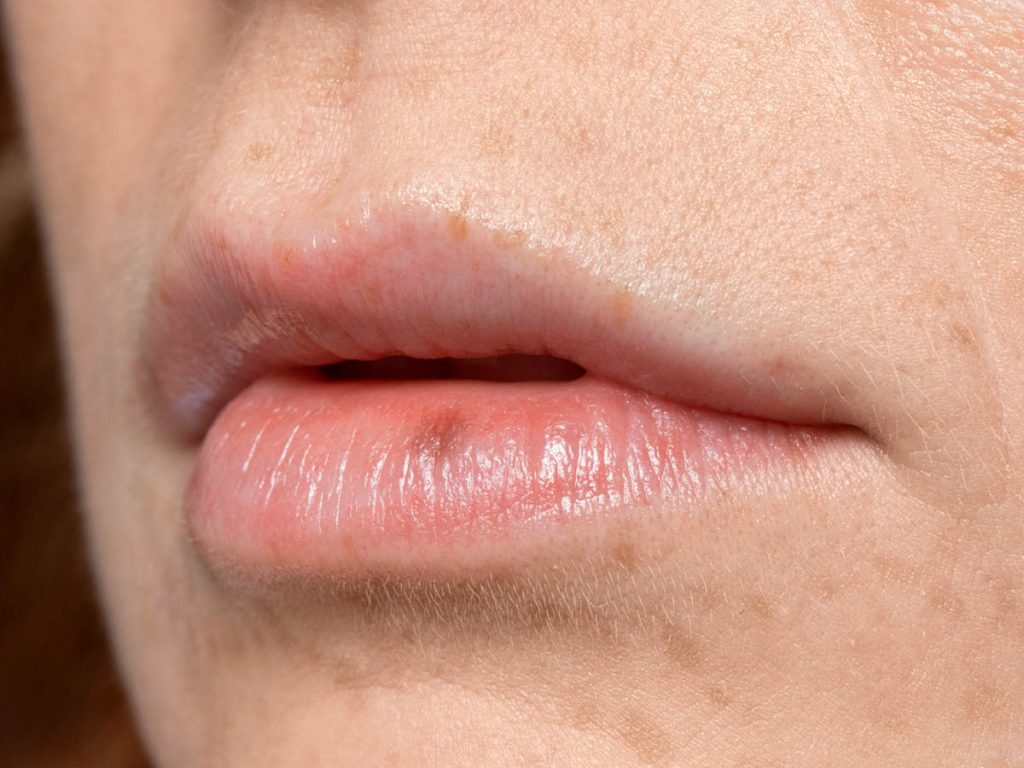
Venous lakes are small, dark spots that appear when tiny blood vessels near the skin’s surface expand and fill with blood. Many people wonder if these spots will go away on their own. The truth is not simple, and understanding your options can help you decide what to do. Below, D.D.S at Atrium Dental tells you whether venous lakes disappear and explains the treatment options that can help. Keep reading to learn more
Table of Contents
ToggleDoes a Venous Lake Disappear?
A venous lake usually does not disappear on its own. It is a small, harmless blood vessel lesion that tends to stay the same or slowly become more noticeable over time, especially with aging. While it is not dangerous, it can be removed or reduced with medical treatments like laser therapy, sclerotherapy, or minor procedures if it causes concern or cosmetic discomfort.
Why a Venous Lake Usually Does Not Go Away on Its Own
A venous lake does not go away on its own because the tiny vein stays open and keeps its dark appearance over time. The body cannot close or repair it without treatment. Below, we tell you the simple reasons it stays:
- The vein stays large and does not return to normal size.
- Blood sits in the vein and keeps the dark color.
- Weak vein walls do not heal on their own.
- Sun exposure makes the vein weaker.
- Slow blood flow in the area keeps the spot full.
- Age weakens the skin and veins and makes repair harder.
- Repeated pressure on the lip or ear keeps the vein from healing.
Which Treatments Can Remove a Venous Lake?
There are different treatment options available to shrink or remove it, and knowing them can help you choose the best approach for your needs. Below, we tell you the treatment options that can help shrink or remove venous lake in Ahwatukee.
Laser Therapy
A doctor uses a laser to heat the blood inside the venous lake. The heat closes the vessel, and the spot fades with time. This option gives precise results and usually leaves little or no scar. Most people see improvement after just one or two sessions.
Sclerotherapy
The doctor injects a medicine called a sclerosing solution into the venous lake. This medicine irritates the vessel, makes it swell, close, and slowly fade. Doctors use this method mainly for larger venous lakes, and you may need more than one treatment.
Cryotherapy
A doctor applies liquid nitrogen to the venous lake. The extreme cold damages the vessel, and the body removes it over time. This option works best for small venous lakes. It may cause temporary redness or a small blister as the area heals. Cryotherapy is less precise than laser dental treatment in Ahwatukee and might be more suitable for smaller lesions.

How Long Does It Take for a Venous Lake to Disappear After Treatment?
The time it takes for a venous lake to disappear depends on the type of treatment used and the size of the lesion. Some treatments remove the venous lake quickly, while others take a few weeks as the body clears the treated vessel. Below, we tell you how long a venous lake usually takes to fade depending on the treatment you choose:
Treatment | Typical Time to Fade |
Laser therapy | 2 to 4 weeks |
Sclerotherapy | 3 to 6 weeks |
Cryotherapy | 2 to 6 weeks |
If you want personal guidance on how long your venous lake may take to fade and which treatment works best for your case, Dr. Foroughi at Atrium Dental can help. He explains the process in simple words, reviews your options, and gives you a clear idea of your expected healing time based on the size and location of your venous lake. Call (480) 940‑4321 to schedule your appointment in Ahwatukee.
Do Small Venous Lakes Disappear Faster?
Small venous lakes in Ahwatukee usually do not disappear on their own. However, small venous lakes often respond faster to treatment. For example, laser treatment clears about 80% to 95% of small venous lakes, often after one session or within 2 to 4 weeks as the body absorbs the treated vessel. Larger venous lakes may need more sessions and can take several weeks to a few months to fade.
Final Thoughts
Most of the time, a venous lake doesn’t go away by itself. The dark spot often stays the same or slowly gets darker because the blood vessel stays wide open. The good news is that treatment can make it smaller or even remove it. Laser therapy, sclerotherapy, and cryotherapy work by closing the vessel so the dark spot fades as your body heals.
If you want to know whether your venous lake can disappear with treatment in Ahwatukee and how long it may take, Dr. Foroughi, D.D.S at Atrium Dental can evaluate it and explain your options in a clear and simple way. Atrium Dental is trusted by many patients and has over 300 five‑star reviews. To have your venous lake checked or learn about treatment options, you can contact our team at (480) 940‑4321 to schedule a visit.
FAQs
Is a Venous Lake Dangerous?
No, a venous lake is not dangerous. It is a benign vascular lesion, posing no significant health risk, but it’s always best to have it checked at a top-rated dental center for peace of mind.
Can Sunscreen Prevent Venous Lakes?
Sunscreen can help prevent new venous lakes by protecting the skin from sun damage, a major contributing factor.
Are Venous Lakes Common in Children?
No, venous lakes are more common in older adults, particularly those with a history of significant sun exposure.
Can Venous Lakes Appear on Any Part of the Body?
Venous lakes most commonly appear on sun-exposed areas like the face, lips, and ears but can occur elsewhere.
Is There a Genetic Predisposition to Venous Lakes?
There’s no apparent genetic predisposition, but factors like skin type and family history of similar skin conditions may play a role.