
Relief for Tooth Pain, Sensitivity, or Swelling
A toothache that won’t quit, sharp pain when you bite down, or sensitivity that lingers long after hot or cold food is gone are signs something is wrong inside the tooth. Leave them untreated, and the infection can spread, the pain usually gets worse, and the tooth becomes harder to save.
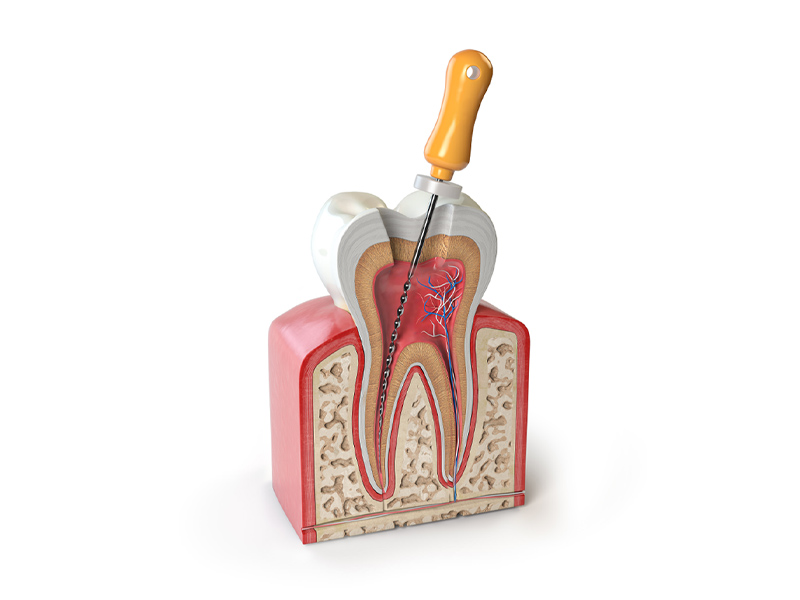
A root canal treatment in Phoenix treats the infection directly, removing what’s causing the pain and saving your natural tooth instead of pulling it.
What Root Canal Treatment Can Fix
- Relieve tooth pain and pressure.
- Stop an infection from spreading further.
- Save your natural tooth structure instead of removing it.
- Restore your chewing and biting ability normally.
- Protect surrounding teeth and gum tissue.
- Prevent the need for a bridge or implant later.
Meet Dr. Foroughi, Our Root Canal Dentist
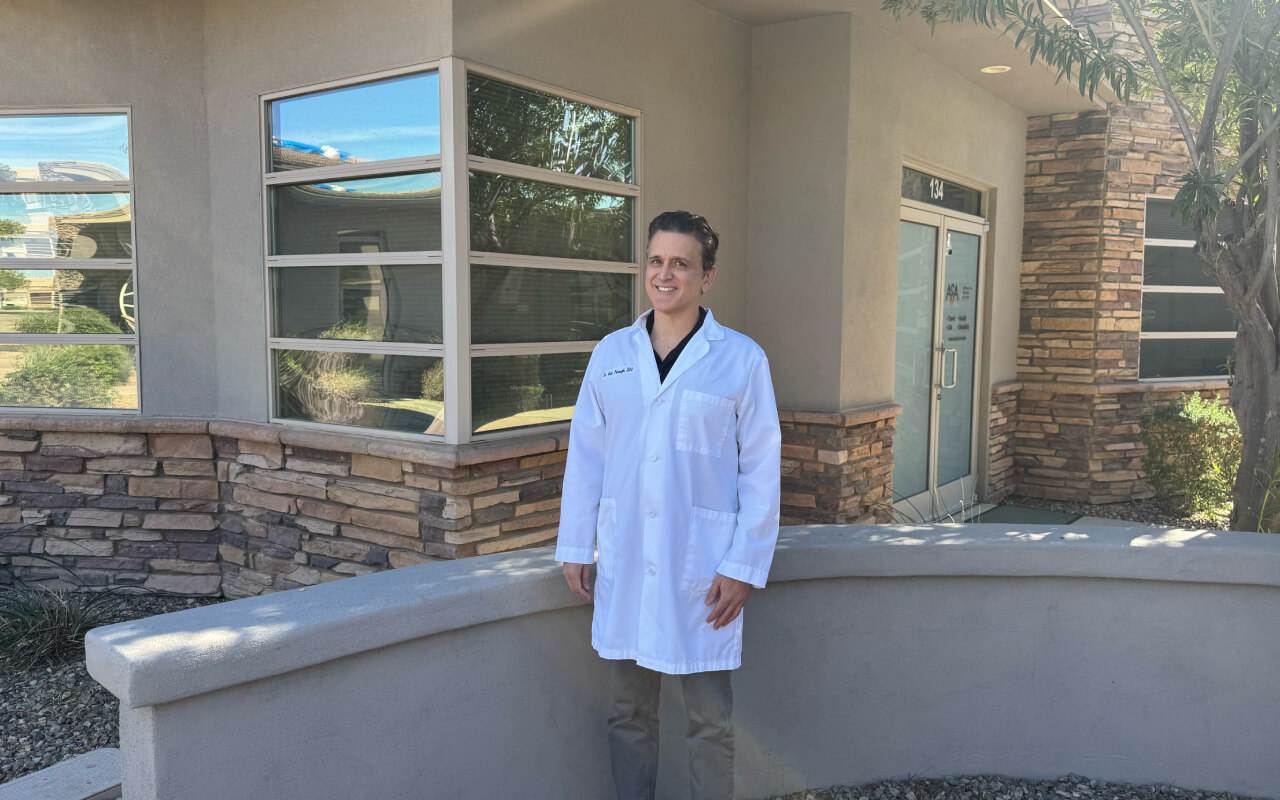
Dr. Shahyar “Sean” Foroughi, DDS
Dr. Shahyar “Sean” Foroughi has been practicing dentistry since 2000, bringing more than 20 years of experience treating infected teeth and saving patients’ natural smiles right here in Ahwatukee, Phoenix. His path started at USC, where he graduated Magna Cum Laude, followed by his DDS from UCSF and advanced hospital training at Audie L. Murphy Memorial Veterans Hospital in Texas.
Our root canal specialist holds memberships with the AACD and the Academy of Osseointegration (AO), and combines his training in endodontic procedures with a gentle, patient-focused approach, especially for those who feel nervous about treatment.
Arizona License: 5717 | NPI: 1659460202
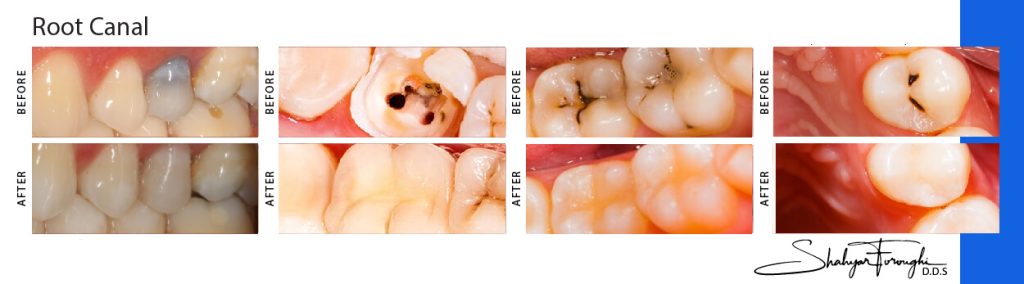
Root Canal Before and After
What Our Patients Say
Posted on Google
 Sascha Valer
Trustindex verifies that the original source of the review is Google.
If I can give more than 5 stars I would! Dr. Foroughi and staff are wonderful! Best customer serivice I've experienced in a dental office that's for sure. Thank you Dr. Foroughi and staff for always making me feel comfortable, and taking care of me.Posted on Google Simrah AtharI had teeth cleaning done here at Atrium Dental. Brianna, Maryke, & Dr. Shahyar Foroughi were amazing. Maryke was so thorough & gentle with my cleaning. Dr. Foroughi answered all of my questions. Very professional and polite staff. I will be coming again. Thank you 😊Posted on Google
 Lisa HusnuNice caring staff, clean office and the Doctor listened to all my concerns. He also genuinely cared about my oral health. I recommend this office highlyPosted on Google
 Gerald StanleyThanks Atrium! Excellent care as always!Posted on Google
 Claudine JelierI have been a patient for years and never have had a problem always a great experience and opportunity to improve my smile and the service is amazingPosted on Google
 James McMahonMy wife and I always have a great experience with our hygienist, Janell R. She is very thorough and takes time with our cleanings and educates us as well! Thank you Janell R. For taking such good care of us. You’re one in a Million!Posted on Google
 Steve Pongratz
Trustindex verifies that the original source of the review is Google.
Very professional staff, very organized, very clean and welcoming environment. Atrium does a fantastic job!
What to Expect from Your Root Canal Procedure
Exam & Diagnosis
We check your pain, sensitivity, and X-rays to confirm the infection and its location.
Numbing & Access
We gently numb the tooth, then create a small opening to reach the infected pulp.
Cleaning & Sealing
We remove the infection, disinfect the canal, and seal it to stop it from coming back.
Crown & Recovery
We place a crown to protect the tooth, and most pain fades within about a week.
Our Related Care
Root Canal vs. Extraction
| Root Canal | Extraction | |
|---|---|---|
| What it does | Removes infection, keeps the natural tooth | Removes the tooth entirely |
| Best for | A tooth that can still be saved | A tooth too damaged or infected to repair |
| Symptoms | Lingering pain, sensitivity, swelling, a darkened tooth | Severe fracture, advanced infection, or a tooth beyond repair |
| Visits needed | Usually 1–2 | Usually 1 |
| Recovery time | 2–5 days of mild soreness | 1–2 weeks of healing, with bone changes continuing for months |
| Long-term outcome | Tooth stays, typically protected with a crown | Gap needs a bridge or implant to restore function |
| Cost consideration | Often less over time than extraction plus replacement | Lower upfront cost, but replacement adds expense later |