
Updated: 04/26/2026
Wisdom teeth usually appear in the late teens or early twenties. For some people, they come in without problems, but for others they can cause pain, swelling, or other dental issues. In this article, Atrium Dental explains the common signs of wisdom teeth coming in, possible problems, and when it may be time to see a dentist. Here, we tell you everything you need to know.
Table of Contents
ToggleThe First Signs of Your Wisdom Teeth Coming In
When your wisdom teeth start to come in, you may notice several changes in your mouth. Knowing these signs of wisdom teeth coming in can help you understand what is happening and when to pay attention. Here are the first pain symptoms that may appear as your wisdom teeth begin to emerge:
Tenderness of the Gum
One of the first signs of wisdom teeth coming in is tenderness or pain at the back of the mouth, specifically where the wisdom teeth are located. You might feel discomfort when you are chewing or when pressure is applied to the area.
Swelling of the Gum
The gums around the area where the wisdom teeth are coming in may start to swell. This swelling can sometimes be noticeable visually or felt when touching the area. Such swelling commonly causes discomfort, accompanied by mild redness or warmth.
Jaw Pain
As wisdom teeth push through the gums, they can cause an unbearable, aching pain in the jaw. You may feel more pain in the morning or after long periods of inactivity, and it can sometimes spread through the ears or neck.
Redness in the Gums
Right around the emerging tooth, the gums may appear more red than usual, indicating irritation or inflammation caused by the tooth pushing through the gum line. This is a natural response as the body adapts to the new teeth emerging and other signs of wisdom teeth coming in.
Difficulty Opening the Mouth
When wisdom teeth are stuck or growing in the wrong direction, the jaw can feel tight, making it hard or painful to open your mouth fully. You may also feel stiffness in your jaw when eating, talking, or yawning.
Bad Taste or Bad Breath
If the gums around a growing wisdom tooth become slightly infected, bacteria can build up, causing a bad taste in your mouth or ongoing bad breath. This can happen when food and bacteria get trapped around the partially erupted tooth.
Headaches
As wisdom teeth push through the gums, they can create pressure in the jaw, which sometimes spreads and causes headaches around the temples or sides of the face. The pain may come and go and often feels connected to soreness in the back of the mouth.
Warning Signs of Wisdom Tooth Infection
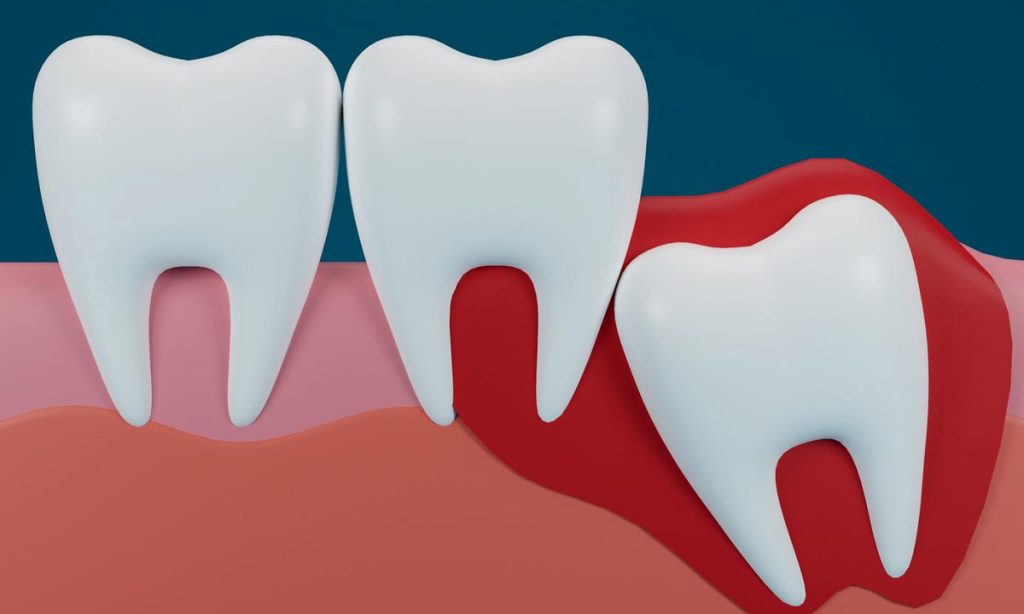
In some cases, wisdom teeth can be infected when they partially erupt. Early-stage wisdom tooth infection includes symptoms such as painful, swollen gums, a foul taste, and occasionally fever. It sometimes leads to the removal of wisdom teeth.
Watch for these indicators that your wisdom teeth might be causing issues:
- Pain at the back of the mouth, near the molars, can be a sign.
- Redness, tenderness, or swelling in the gums around the emerging tooth.
- If the pain and swelling make it hard to open your mouth, it’s time to visit the best dental clinic near you.
If you notice any of these symptoms, it’s important to address them early so the infection does not worsen or spread. Quick evaluation and treatment help protect your oral health and prevent more serious problems. At Atrium Dental, Dr. Foroughi, D.D.S., provides gentle, reliable care with over 300 five‑star reviews. Call us at (480) 940‑4321 to schedule your appointment.
What Does Wisdom Teeth Coming In Look Like?
The wisdom teeth may only partially emerge through the gums which is a sign of your wisdom teeth coming in. A part of the tooth poking through the gum line can be seen. The gums at the back of the mouth may appear red and swollen because of the pressure and irritation. The crowns of the wisdom teeth might slowly appear behind your second molars if there is enough space in the mouth.
At What Age Do Wisdom Teeth Come In?
Wisdom teeth often begin to emerge between the ages of 17 and 25. While most individuals have four wisdom teeth, some people have fewer or even none. The development and eruption of these teeth can be unpredictable, and some individuals may have wisdom teeth that remain completely impacted and never break through the gum surface.
Let’s Recap
Wisdom teeth don’t always cause trouble, but recognizing early warning signs of wisdom teeth coming in helps you avoid unnecessary pain and future complications. Staying alert to changes and keeping up with routine checkups ensures your mouth stays healthy and protected. At Atrium Dental, Dr. Foroughi, D.D.S., offers trusted, compassionate care with over 300 five‑star reviews. Call us at (480) 940‑4321 to book your visit.
FAQs
Wisdom teeth can start causing problems as soon as they begin to erupt, but issues may also develop slowly over time.
Yes, if an infection develops due to impacted wisdom teeth, it might make you feel ill and even lead to fever.
Wisdom teeth pain can range from dull and throbbing to sharp and excruciating. It often occurs at the back of the mouth and can sometimes extend towards the throat or into the ears.
Yes. A dentist can examine them with X‑rays to check their position and prevent future problems.
Yes. Some people have wisdom teeth that grow in normally without pain or noticeable symptoms.