

Updated: 05/18/2026
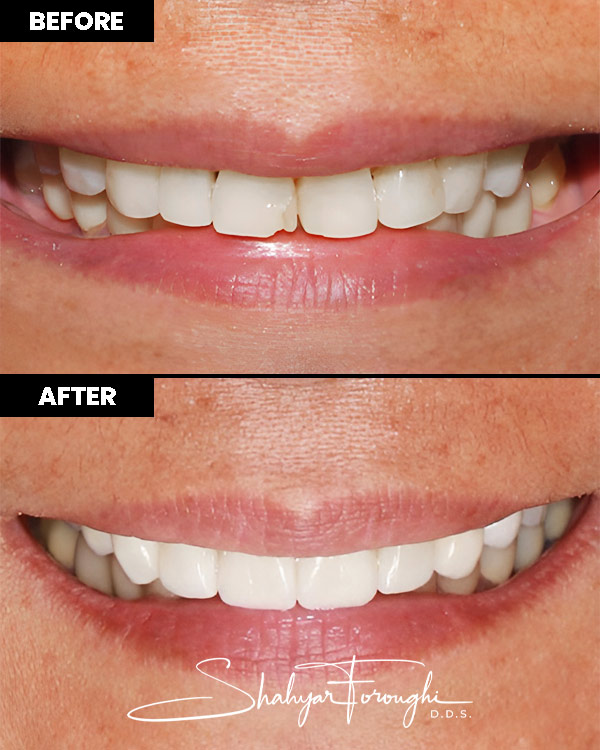
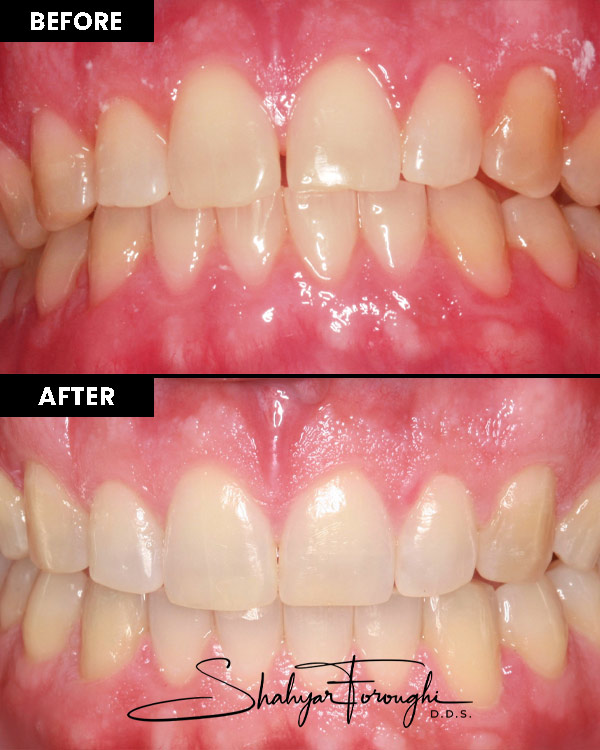
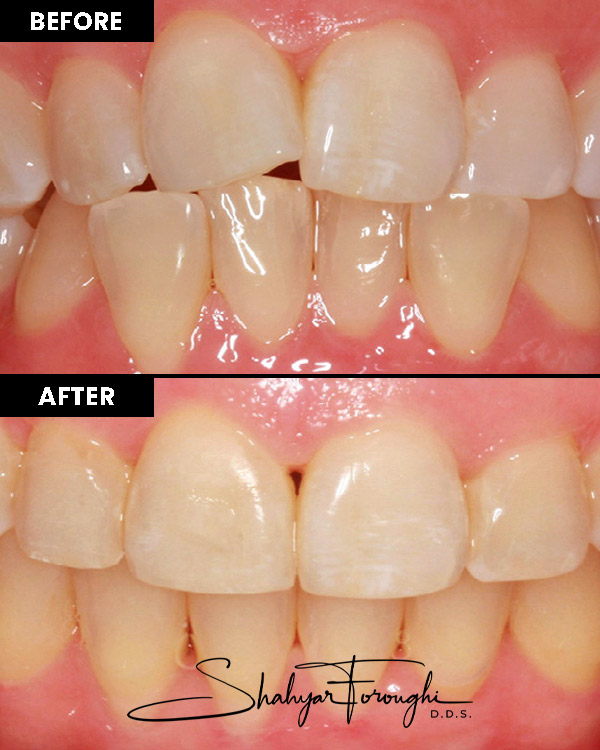
Gingivectomy is a popular cosmetic dentistry surgery that removes extra, overgrown gum tissue, or “gummy smile” (where extra gum tissue makes your teeth appear small or “boxy”). It can be done for medical reasons such as gum disease or for cosmetic reasons to fix a gummy smile.
The average gingivectomy recovery time is about 6 to 8 weeks, with most discomfort improving in the first few days.
Join Atrium Dental in Ahwatukee, AZ (4.8 Google rating) to learn the full gingivectomy healing timeline and what to expect.
Table of Contents
ToggleHow Long Does a Gingivectomy Take?
A gingivectomy is a dental procedure that removes extra gum tissue to improve gum health and shape the gumline. Because it reshapes a ‘gummy smile,’ a gingivectomy is considered a cosmetic dentistry procedure as much as a health treatment. A dentist or periodontist carefully trims or reshapes the gums using surgical tools or a laser, allowing the tissue to heal into a healthier, more balanced contour around the teeth. When the gums are reshaped with laser dentistry, healing is often faster and more comfortable than with traditional surgical tools.
Most gingivectomy procedures take 20 to 60 minutes. The time depends on how many teeth need treatment and whether bone reshaping is needed. A single area is usually quick. Treating several teeth takes longer.
How Long Does It Take for a Gingivectomy to Heal?
The initial Gingivectomy recovery time is usually about 1 to 2 weeks. However, complete tissue healing and gum reshaping (when the gums fully stabilize and reach their final contour) can take up to 6–8 weeks.
But let’s give you a clear healing timeline of the recovery experience and what to expect after a Gingivectomy:
First 24 Hours
You may have mild bleeding, swelling, and numbness as the anesthesia wears off. Pain is usually manageable with over-the-counter medicine like ibuprofen, if your dentist says it is safe for you. Eat only soft, cool foods such as yogurt, smoothies, and mashed potatoes. Do not use a straw because the suction can disturb the healing area. Avoid hot foods and drinks because they may cause more bleeding. Rest as much as possible, and keep your head slightly raised to help reduce swelling and the Gingivectomy recovery time.
Days 2 to 3
Swelling and soreness are still normal during this stage. The area may also look a little red and feel tender. You may start gentle saltwater rinses if your dentist approves. A common mix is ½ teaspoon of salt in a cup of warm water. Avoid spicy, crunchy, and acidic foods because they can irritate the gums. Do not brush the treated area yet, but you can gently clean the nearby teeth if your dentist allows it. If your dentist gave you a gel or mouth rinse, use it as directed to help prevent infection and support healing.
Days 4 to 7
Swelling usually starts to get better, and the gum tissue becomes less sore. You may see a light scab or a whitish layer over the area, which is often a normal part of healing. You can brush the nearby teeth with a soft or surgical toothbrush, but avoid touching the treated site. Keep eating soft foods like eggs, pasta, or fish if chewing still feels uncomfortable. Gentle rinsing with saltwater or a prescribed mouthwash can help keep the area clean and lower plaque buildup. At this point, Gingivectomy recovery time is still ongoing, even if the area starts to feel better.
If you’re considering gum reshaping or need treatment for overgrown or uneven gums, you can learn more about our gingivectomy treatments in Ahwatukee.
Week 2
Most people feel much better by this stage. The tissue often looks pink, less swollen, and firmer as the gums begin to heal around the teeth. You can slowly go back to a more normal diet, but still avoid hard, sticky, or crunchy foods like nuts or chips that could hurt the area. Follow all oral hygiene instructions from your dentist. This may include using a soft-bristled toothbrush or a special mouth rinse to help the gums heal properly.
Weeks 3 to 4
Healing keeps moving forward, and the gums begin to tighten and settle naturally around the teeth. Most people have little or no discomfort at this stage. You can usually return to normal brushing and flossing, but be gentle and follow your dentist’s advice about how to clean the area. If you have a follow-up visit or extra gum shaping scheduled, be sure to attend so your dentist can check how the gumline is healing.
Weeks 6 to 8
For most people, full healing happens during this stage. The gum tissue usually looks smooth, even, and healthy. Any leftover tenderness or sensitivity should be very mild or fully gone. If you have not had your follow-up appointment yet, this is a good time to schedule it so your dentist can make sure the gums healed correctly and there are no signs of infection or uneven healing. Understanding the full Gingivectomy recovery time can help you take better care of your gums and protect your results over time.

What Can You Eat after Gingivectomy?
After a gingivectomy, you can eat, but it is recommended to wait until the anesthesia wears off Stick to soft foods while your gums heal.
Examples of good foods include yogurt, mashed potatoes, smoothies without a straw, applesauce, scrambled eggs, and soup that is warm and not hot.
Avoid anything that can irritate the gums such as spicy foods, chips, crusty bread, nuts, popcorn, and citrus. Avoid alcohol and smoking because they slow healing.
Remember! Chew gently on the opposite side of the surgical area, and drink plenty of water to stay hydrated, but do not use a straw.
How Long Until I Can Brush My Teeth After a Gingivectomy?
Do not brush the surgical site for 24 to 48 hours. Brush the other teeth gently with a soft toothbrush. Use small circular motions. A warm saltwater rinse may be recommended after the first day to keep the area clean.
Your dentist may also suggest using a special mouthwash or salt water rinse to keep your mouth clean for the first few days after surgery.
When Can I Go Back to Work or School?
Most people return to work or school within one to two days. Keep exercise to a minimum! If your job requires physical activity, you may need three to four days. Avoid heavy lifting, running, intense exercise, and anything that raises your heart rate for at least 48 hours. These activities can increase your heart rate which can result in bleeding and swelling.
How Can I Speed Up Gum Healing After Surgery?
Follow all instructions from your dentist to reduce the Gingivectomy recovery time. Typical aftercare steps include:
- Take pain medicine exactly as your dentist or doctor tells you.
- If there is slight bleeding, gently bite down on gauze as directed.
- Keep your mouth clean, but do not brush directly on the surgical area for the first 24–48 hours.
- After that, brush gently around the area and keep up good oral hygiene.
- Use mouthwash and any prescribed medicines (like antibiotics or special rinses) exactly as directed.
- If your dentist suggests it, do warm saltwater rinses (usually after the first 24 hours).
- Eat soft foods (yogurt, mashed potatoes, soup at a warm—not hot—temperature).
- Avoid hot, spicy, or crunchy foods that can hurt the gums or reopen the wound.
- Do not smoke, vape, or drink alcohol, because these slow healing and increase the risk of infection.
- Rest and limit physical activity for at least the first 24–48 hours so your body can focus on healing.
- You can use a cold compress on the outside of your face in the first day or two to help reduce swelling.
- Always go to your follow-up visits so your Ahwatukee dentist can check how your gums are healing and catch any problems early.
Good aftercare is the best way to speed up the healing, shorten the Gingivectomy recovery time, and lower the chance of complications. A gingivectomy is often part of broader gum disease treatment, so keeping the rest of your gums healthy supports a smooth recovery.
Gingivectomy Services Near me in Ahwatukee, Arizona
If you need gum surgery in Ahwatukee or Phoenix, Atrium Dental offers gingivectomy treatment for both medical and cosmetic needs. We use advanced technology for precise gum contouring and give clear instructions to help you understand your Gingivectomy recovery time, healing process, and aftercare.
If you have gum pain, bleeding, or slow healing after dental surgery in Ahwatukee, Dr. Foroughi and our team at Atrium Dental can evaluate your gums, clean the area gently if needed, and guide you back to healthy, comfortable gums.
Dr. Foroughi (DDS, USC Magna Cum Laude, UCSF graduate) provides advanced, patient‑focused care with an emphasis on long‑term oral health.
Contact us for a free consultation:
- Call: (480) 940-4321
- Visit: 4425 E. Agave Rd. #130, Phoenix, AZ 85044
FAQs
How long does gingivectomy recovery take?
The Gingivectomy recovery time usually takes six to eight weeks. Most discomfort improves in a few days.
When can I brush my teeth after gingivectomy?
You can brush the area around the surgical site after 24 to 48 hours. Avoid brushing the treated gums until your dentist clears you.
How long does swelling last after gingivectomy?
Most swelling improves within two to three days.
Is bleeding normal after gingivectomy?
Light bleeding is normal for the first day. Heavy bleeding is not normal.
Is Gingivectomy recovery painful?
There may be soreness for a few days, but it is usually mild and manageable. Over the counter pain medicine usually helps. Severe or increasing pain is not normal and needs dental attention.