
Updated: 05/28/2026
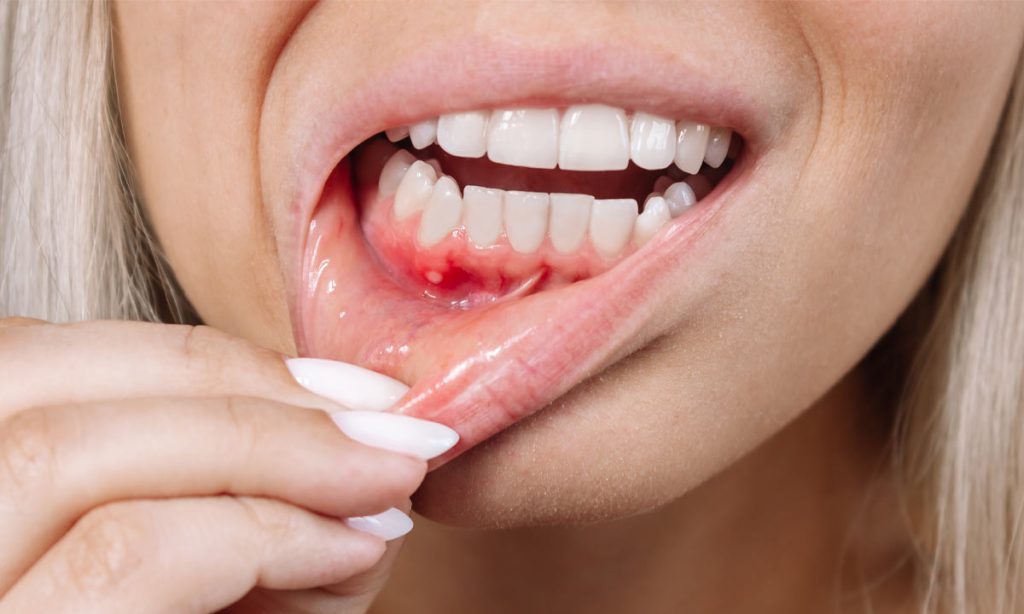
Gum fibromas are small, firm, and harmless lumps that can develop on your gums. While they are usually painless, they can feel uncomfortable and often persist unless you address the cause. You can keep your gums healthy and avoid these growths with a few simple daily habits.
In this guide, Atrium Dental explains what these lumps are, why they form, and the best ways to keep your gums healthy and prevent gum fibromas.
Table of Contents
ToggleWhat Causes Gum Fibromas and Can You Prevent Them?
A gum fibroma is a small, firm, and harmless lump on the gum. It develops when the body reacts to constant irritation, such as a sharp tooth, a rough filling, or a dental appliance that rubs against one spot.
This friction causes the tissue to thicken into a smooth, painless bump that matches the color of the mouth, yet it is a condition that you can easily prevent with different proactive dental habits.
How to Prevent Gum Fibromas?
A healthy mouth requires consistent daily care. Proactive habits protect your gums and teeth and keep your smile pain-free. Follow these simple steps to ensure your oral health stays in top condition:
Treat Dental Issues Early
Treat dental issues early to stop gum fibromas before they form. A cracked tooth or swollen gum irritates your tissue when you leave it alone. Professional care such as fillings, cleanings, or gum treatments protects your mouth from long-term damage and keeps these growths away.
Eat a Healthy Diet for Strong Gums
Eating a healthy diet keeps your gums strong. The right nutrients help your body repair tissue and reduce inflammation, which protects your gums from irritation. Use this table to see which foods support your gum health:
Nutrient | How It Helps | Food and Drink Choices |
Vitamin C | Repairs gum tissue | Oranges, strawberries, spinach |
Vitamin D | Strengthens gums | Fish, eggs, dairy |
Lean Protein | Maintains healthy tissue | Chicken, turkey, beans |
Maintain Proper Daily Oral Hygiene
A consistent daily routine keeps your gums clean and removes the buildup of plaque and bacteria. These simple habits protect your mouth and stop irritation before it leads to a gum fibroma:
- Brush your teeth twice every day to remove plaque and bacteria
- Use a soft-bristled toothbrush to protect your delicate gum tissue
- Move your brush in gentle circles instead of scrubbing hard
- Floss carefully between every tooth to avoid cutting or scraping the gums
- Take your time to clean all surfaces including the area along the gum line
Schedule Regular Dental Visits
Visit Dr. Foroughi, D.D.S., at Atrium Dental every 6 months to keep your gums healthy. He checks for signs of injury, cleans spots you can’t reach at home, and fixes dental appliances to stop small problems from getting worse. Regular dental visits stop small problems from growing worse.
Watch for Early Signs of Gum Irritation
Pay close attention to any changes in your mouth because early action helps you stop gum fibromas before they become a serious issue. If your gum tissue is under stress, you may notice the following signs:
- A new lump that does not go away
- Swelling or puffiness in the gum line
- Noticeable color changes in the tissue
- Tenderness or irritation in a specific spot
Avoid Tobacco and Limit Alcohol
Tobacco weakens gum tissue and slows down blood flow. This makes your gums more likely to get irritated and take longer to heal. Alcohol dries out your mouth, which reduces the saliva that usually protects your teeth and gums from bacteria. Quitting both habits will greatly improve your oral health.
Keep Braces and Dentures Clean
Braces and dentures collect bacteria and food particles. If these items stay dirty, they can rub against your gums and cause painful swelling. To keep your braces and dentures clean and prevent the irritation that leads to gum fibromas, follow these daily steps:
- Brush your dental appliances after every meal to remove stuck food and bacteria.
- Use a soft-bristled brush to avoid scratching the surface of your dentures or damaging wires on your braces.
- Rinse your appliances well with water to wash away loose debris.
- Soak your dentures in a recommended cleaning solution every night to kill germs.
- Clean the areas of your gums and teeth that sit under your appliances to keep them free from plaque.

How Dentists Fix Gum Fibromas
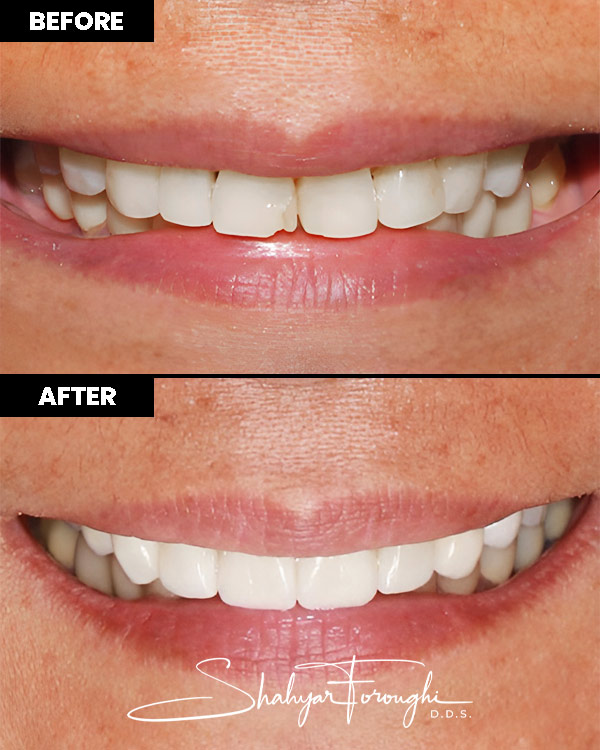
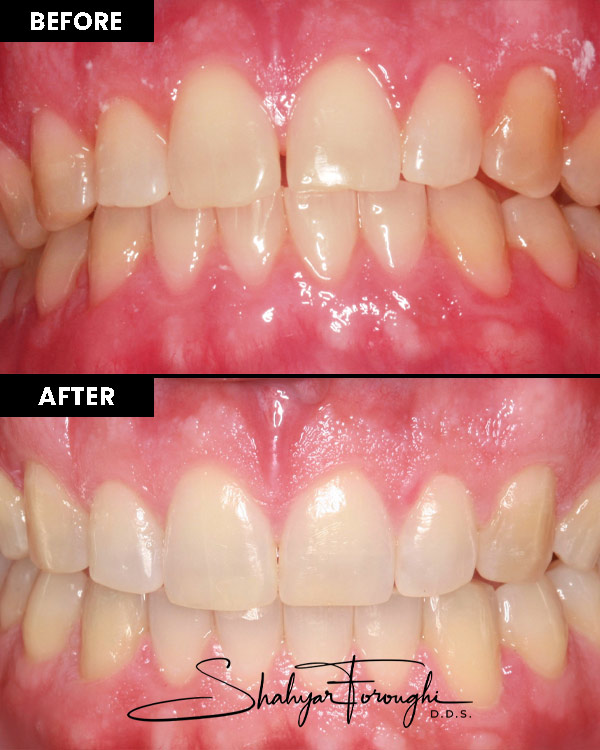
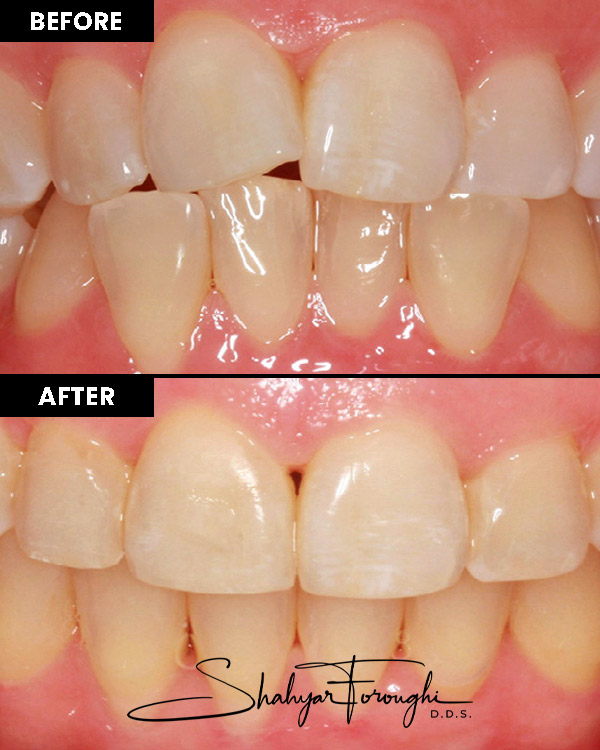
If you have a fibroma, it usually stays the same size or grows slowly. These lumps do not go away on their own, so you need a dentist to treat them. Dentists use the following methods to remove the growth and fix the underlying issue:
Treatment Option | How It Works |
Surgical Excision | The dentist numbs the area with local anesthesia and cuts out the lump with a small blade. |
Laser Treatment | The dentist uses a precise laser to remove the tissue, which often leads to less bleeding and faster healing. |
Electrosurgery | The dentist uses a special tool that creates heat to remove the growth safely. |
Irritation Removal | The dentist smooths a sharp tooth or adjusts a dental appliance to stop the friction that caused the lump. |
When to See a Dentist for a Gum Lump
See your dentist if you notice a new lump or bump on your gums. You should also make an appointment if a sore spot does not heal after two weeks or if you feel pain when you chew. A professional exam helps identify the cause and stops the issue before it turns into something serious.
Prompt care is the best way to keep your mouth healthy. At Atrium Dental, Dr. Foroughi, D.D.S, helps you protect your smile and maintain long-term oral health. For an appointment, you can call us at (480) 940-4321.
Final Thoughts
You can prevent gum fibromas through consistent oral care and regular checkups. Making these simple habits part of your daily routine protects your gum tissue and keeps your smile healthy for years to come.
Your dentist can help you identify potential risks before they become problems. A healthy mouth is a key part of your overall well-being.
FAQs
How do dental appliances like braces or dentures affect gum health?
Dirty appliances rub against your gums and cause painful swelling. This irritation often leads to the growth of gum fibromas.
What daily habits should I follow to avoid gum irritation?
Brush and floss your teeth regularly to remove plaque and bacteria. You should also eat a healthy diet and avoid tobacco to keep your gums strong.
Does a gum fibroma go away on its own?
A gum fibroma typically stays the same or grows slowly over time. It does not disappear without professional treatment, so you need a dentist to remove it.
Does drinking enough water prevent gum irritation?
Yes, water keeps your mouth moist and washes away food particles. This simple habit protects your gums and lowers your risk for oral growths.
Can changing my toothbrush help prevent gum irritation?
Yes. A soft-bristled toothbrush is gentler on your gums, preventing the micro-scratches and tissue damage that can trigger a fibroma.